
Zandkasteel and Blue Module Extend Partnership for ESG Optimization
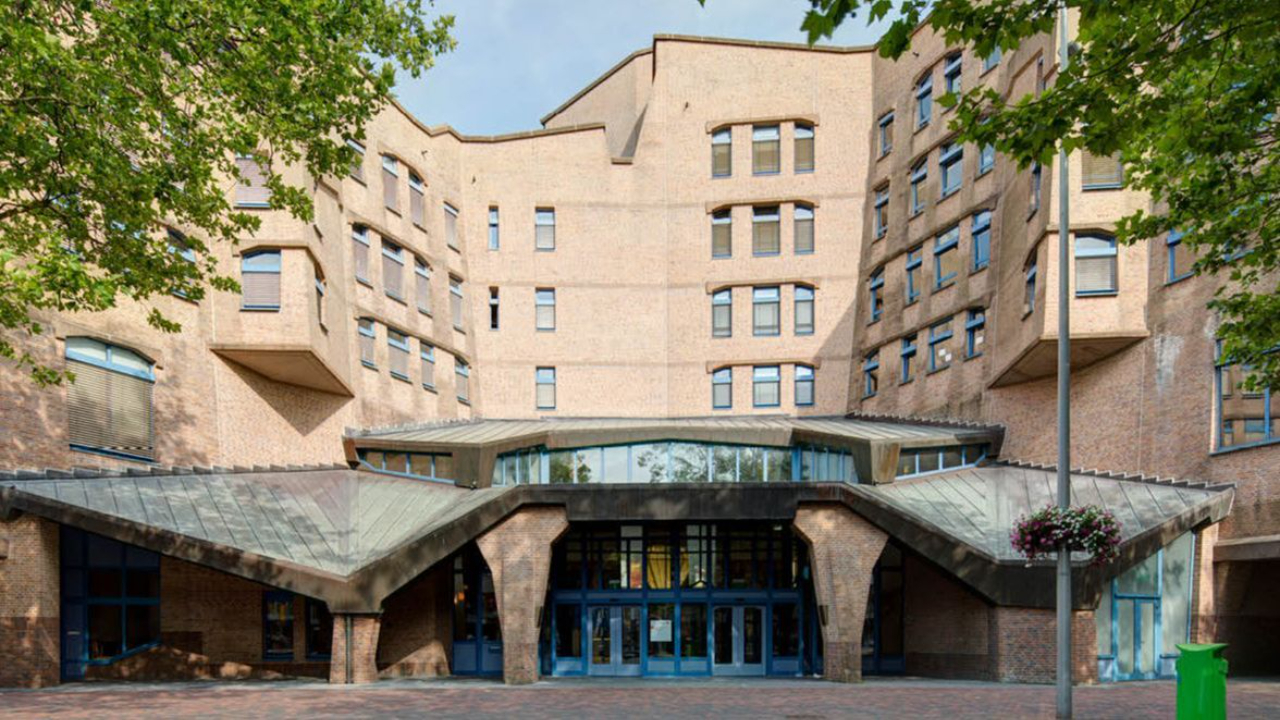
The iconic Zandkasteel, owned by Wonam and Zadelhoff, has extended its existing partnership with Blue Module through a new contract. The goal of the renewed collaboration is to further optimize the building, systematically report ESG performance to tenants and stakeholders, and efficiently prepare for certification according to international standards.
The results are now tangible for the office portion of the building. Annual energy consumption for heat and electricity has been reduced from 2.7 million kWh to less than 1.4 million kWh. This reduction was achieved without major structural modifications, but by intelligently optimizing the indoor climate, linking sensor data, and revising existing regulations.
“The results at Zandkasteel demonstrate what is possible when you approach ESG not as a checklist, but as a continuous optimization process. By intelligently utilizing data and existing systems, we achieve structural improvements in energy consumption, comfort, and transparency for stakeholders,” says Paul Wessels, CEO of Blue Module.
Increased Tenant Satisfaction
In addition to the significant improvement in energy efficiency, tenant satisfaction also rose significantly: from 72 to 94 percent. The energy savings result in structurally lower operating costs for the building. At the same time, lower energy costs strengthen Zandkasteel's market position. A more competitive gross rent level increases rentability and makes the building more attractive to both existing and new tenants.
"The partnership with Blue Module has demonstrably contributed to both the building's performance and our tenant satisfaction. Lower energy costs, increased comfort, and reliable ESG information strengthen Zandkasteel's market position. This makes this extension a logical next step," says General Manager Rik de Boer of Zandkasteel Amsterdam.
Tenants Value ESG Information
With Blue Module's software, Zandkasteel can also demonstrate that the building significantly improves its ESG performance according to international benchmarks such as BREEAM and the Carbon Risk Real Estate Monitor (CRREM). These insights are of immediate value to tenants, financiers, and shareholders, who increasingly value transparent and verifiable ESG information.
The former bank, now transformed into a modern mixed-use building with apartments, office space, an international school, and hospitality facilities, positions itself as a leader in the real estate sector. By embracing ESG reporting as a strategic tool, Zandkasteel demonstrates how sustainability, comfort, and financial returns can go hand in hand.
